
Latest Winners


Advancing Girl’s STEM Education
from Rural Communities
Nikkei Inc. has awarded the Grand Prize of the 5th NIKKEI ASIA AWARD to VigyanShaala International, a nonprofit organization working to expand access to STEM (science, technology, engineering, and mathematics) education for underprivileged youth—particularly girls—in rural India. By connecting students with STEM professionals around the world and providing long-term academic and career support, the organization seeks to reduce educational inequality and improve the social standing of women through education.
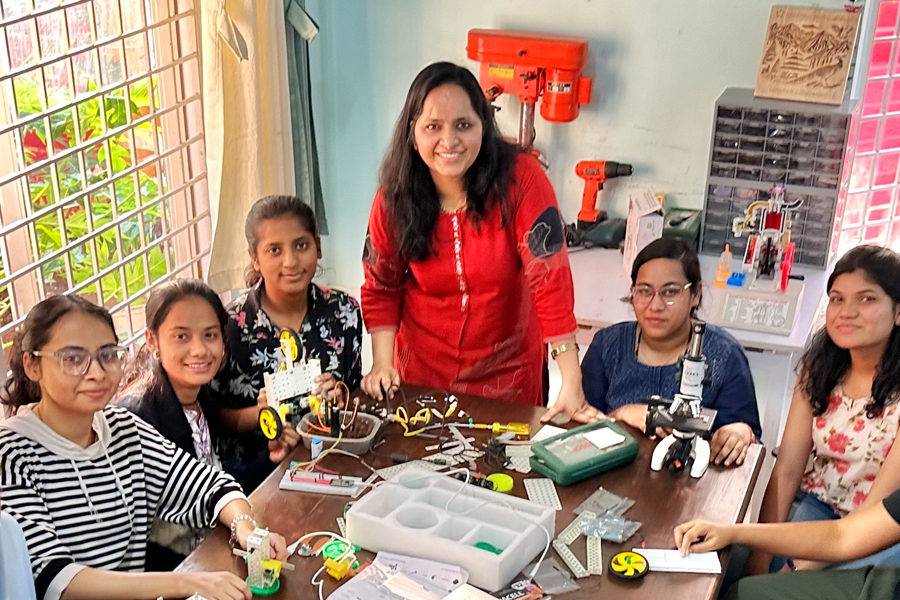
Darshana Joshi, Co-founder (Center)
Democratizing Science Education with a Ground-Level Perspective
VigyanShaala was formally established in 2019 by its co-founder, Darshana Joshi, who was driven by a strong desire to challenge a reality in which educational opportunities are often determined by gender or family background. In India, where a large share of the population lives in rural areas, access to quality education and career pathways remains far more limited than in urban centers. In some communities, deeply rooted beliefs persist that education is unnecessary for girls—social structures that narrow future options regardless of individual motivation or ability.
To better understand these challenges, Joshi traveled with her team to rural areas near 14 cities, speaking with more than 2,000 teachers and female students. Through these conversations, she identified not only shortages in educational facilities, but also a lack of role models and limited access to information about future career paths. These insights from the field became the foundation of VigyanShaala’s approach.
Hands-On Science Labs and a “Phygital” Education Model
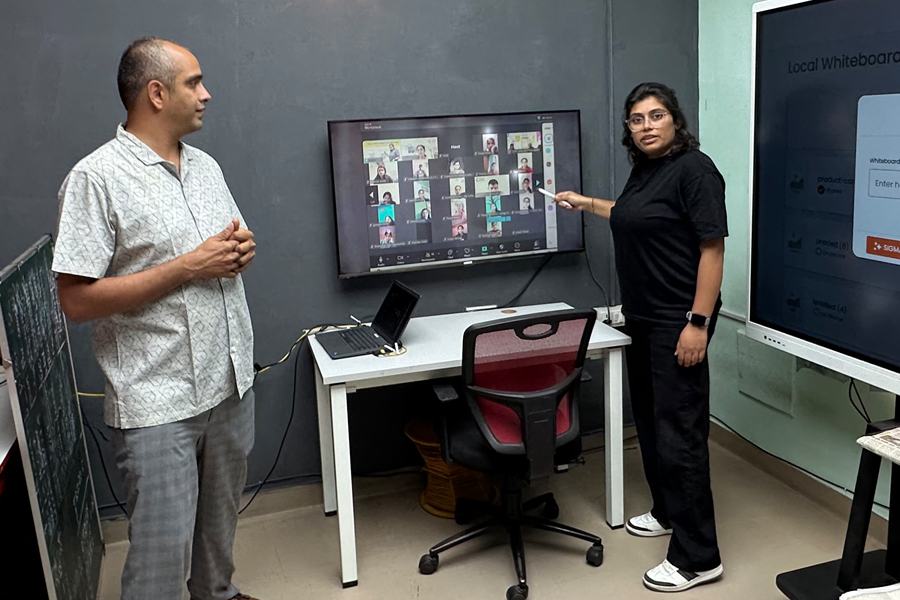
The organization has since expanded hands-on learning opportunities by establishing science laboratories equipped with experimental tools and microscopes in schools, allowing students to learn science by seeing and touching it for themselves. At the same time, VigyanShaala has introduced a unique “Phygital” education model that combines in-person support from local staff with online instruction. This blended approach enables the organization to deliver practical, high-quality education even to students living in remote areas.
All programs are offered free of charge, supported by corporate social responsibility initiatives and individual donations.
Mentorship Programs Supporting Girls’ Career Pathways
VigyanShaala’s efforts extend beyond basic education to include long-term career development. Through a structured mentoring program, students are connected with scientists, engineers, and business leaders from India and abroad, receiving continuous guidance on both learning and career choices. In the central Indian state of Telangana alone, the organization has linked approximately 2,000 students from 47 universities with more than 90 mentors, producing significant spillover effects in digital literacy and access. Looking ahead, VigyanShaala aims to support 100,000 female students annually by 2030, further strengthening its support system through tools such as an AI-powered chatbot that provides round-the-clock academic consultation.
Empowering the Next Generation of Women Scientists and Engineers
Joshi says her goal is to offer young women “realistic options and role models grounded in hope and aspiration.” While nurturing scientists who can thrive on the global stage is one ambition, she places equal importance on empowering women who address challenges within their own communities. Creating environments in which girls can continue learning with confidence, she believes, is a driving force for long-term social change.
Through its work, VigyanShaala is laying a solid foundation for girls to discover and expand their potential, generating momentum for sustainable development that extends from rural India across Asia. By widening individual choices through education, the organization contributes not only to the cultivation of future talent but also to more inclusive regional growth—raising expectations that the next generation of women in STEM will help lead tomorrow’s innovations.
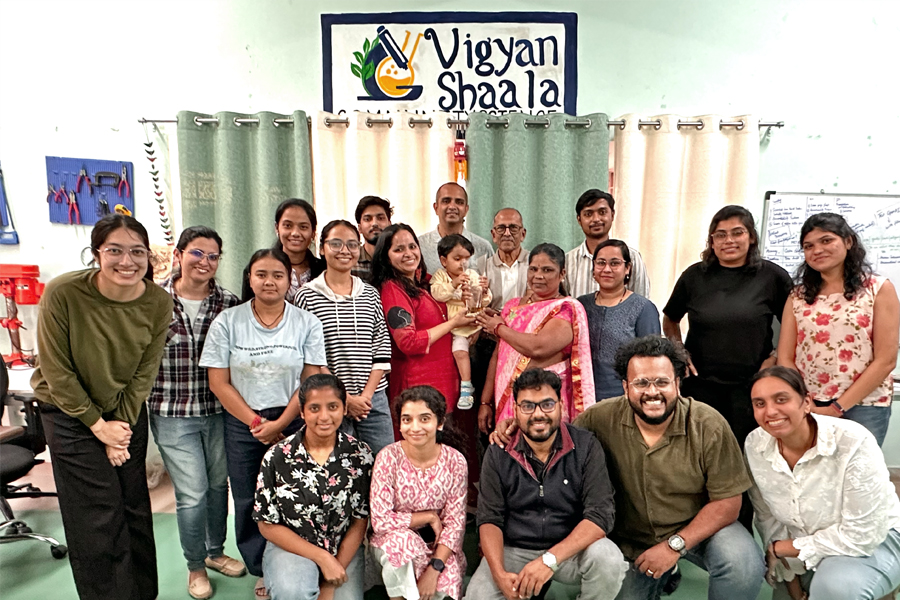
6th Winner
2026
Who's Next?
Nominations are welcome from anyone who knows about worthy candidates. You may nominate candidate via our nomination form. Self-nominations are not accepted.
Remarks from the Chair of the Advisory Board
Advancing Women’s Participation in Science: A Challenge for Sustainable Education
Fujio Mitarai
Chairman & CEO / Canon Inc.
The 5th NIKKEI ASIA AWARD has been presented to VigyanShaala International, a nonprofit organization based in India that is dedicated to expanding access to STEM education for girls. The organization was selected from 96 nominations submitted from across Asia, in recognition of its innovative and sustainable approach to addressing educational inequality.
In India, more than half of the population lives in rural or remote areas, where opportunities to receive practical STEM education remain limited. Women account for less than 15% of the STEM workforce, highlighting persistent challenges in educational access and career development. Founded in 2019, VigyanShaala International was established to confront these structural barriers head-on.
To reduce disparities in rural STEM education, the organization has developed a “phygital” hybrid education model that combines hands-on science laboratories with online learning. Through this approach, students are connected with STEM experts from around the world and provided with career guidance, mentoring, and leadership training. With a strong focus on supporting girls and young women, VigyanShaala also offers financial assistance and engages in policy advocacy with local governments, working to promote women’s participation in STEM fields and enhance their social standing.
By leveraging hybrid education while remaining deeply rooted in local communities, VigyanShaala’s programs aim to reach 100,000 students across India by 2030. I find the organization’s model particularly compelling because of its adaptability: it can be applied to other regions facing digital and gender divides, including South Asia and Africa, making it both innovative and sustainable.
As advances in technologies such as artificial intelligence continue to transform industries and everyday life, the importance of STEM education is becoming ever more pronounced. At the same time, ensuring gender equality while fostering digital and scientific literacy is an urgent global challenge. VigyanShaala’s efforts demonstrate how education can serve as a powerful foundation for inclusive growth, and I sincerely hope that similar initiatives will spread across countries and regions.
Now in its fifth year, the NIKKEI ASIA AWARD has recognized a diverse array of innovators—from a cultivated shrimp-meat venture and a sanitary products startup, to an e-commerce platform supporting women in rural areas, a bamboo housing enterprise, and now an organization promoting STEM education. The home countries of award recipients have also expanded, spanning Singapore, India, Indonesia, and Myanmar.
Throughout the selection process, I have been deeply impressed by both the expanding scope and the rising quality of nominations. The growing presence of women among those driving innovation is particularly encouraging. As Asia’s importance as an engine of global economic growth continues to increase, so too does the responsibility and relevance of this award. I look forward to seeing even greater geographic reach and diversity of initiatives in the years ahead.
The finalists in this year’s selection were all exceptional, and it was difficult to choose among them. Each reflected the strong determination of younger generations across Asia to address pressing challenges facing humanity. As Chair of the NIKKEI ASIA AWARD Advisory Board, I look forward to continuing to encounter and support the many innovators who are shaping Asia’s future.